
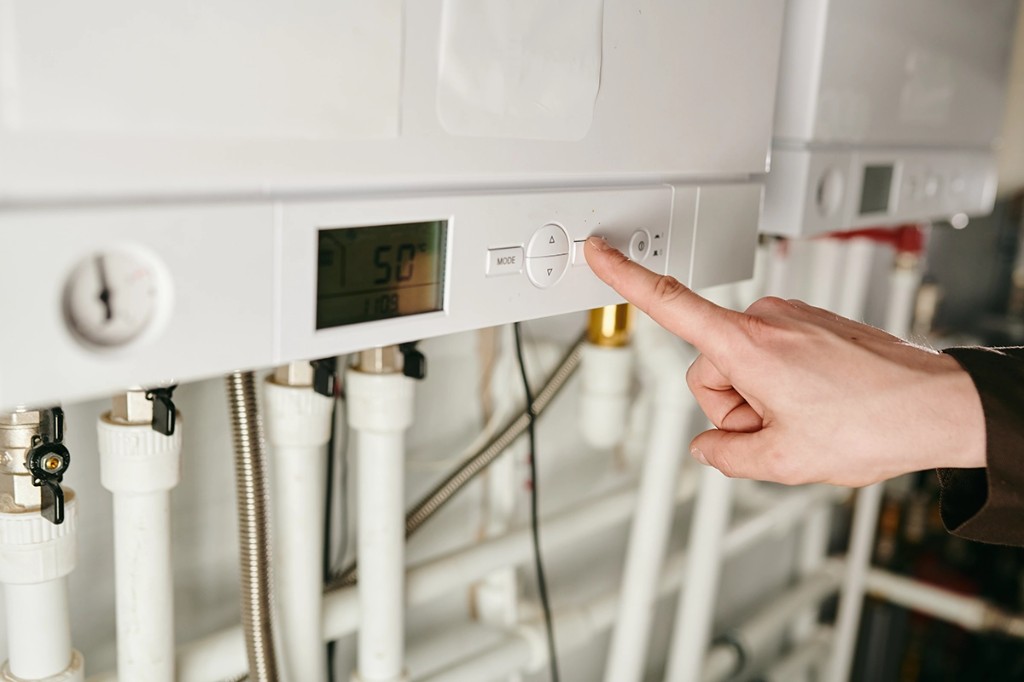
The useful question is not “which option sounds better”. It is whether the appliance in front of you still has a sensible life left in it.
When repair is the right first step
Repair is usually the starting point when:
- the boiler is relatively recent
- the fault is contained — a pump, sensor, ignition part or similar
- the rest of the heating system is sound
- the same fault has not already returned more than once
A boiler repair visit should end with a clear explanation of the fault, not a vague suggestion that “it might be the board”.
When replacement is the more durable job
Replacement becomes the better conversation when:
- the appliance is old and inefficient
- a major component would cost a large share of a new boiler
- parts are becoming difficult to obtain
- the boiler no longer matches the house — extra bathrooms, extensions, or a change from stored hot water
- you are already planning a full heating installation
None of those points is a rule on its own. Two or three together usually decide it.
What we look at on a visit
We look at the appliance, the flue position, the heating circuit and how hot water is produced. A house that has gained a bathroom since the last boiler was fitted is a different job from a like-for-like swap in an unaltered semi.
Boiler installation is the page for that work. We do not list brands here because the right appliance depends on the system and on what is available at the time.
What not to do
Do not keep resetting a locking-out boiler through a weekend. Do not open the case. If you smell gas, leave the property and call 0800 111 999.
A Gas Safe registered engineer can give you a recommendation either way after seeing the appliance.